Titled vs. ROP Land in Panama: What Every Foreign Buyer Should Know
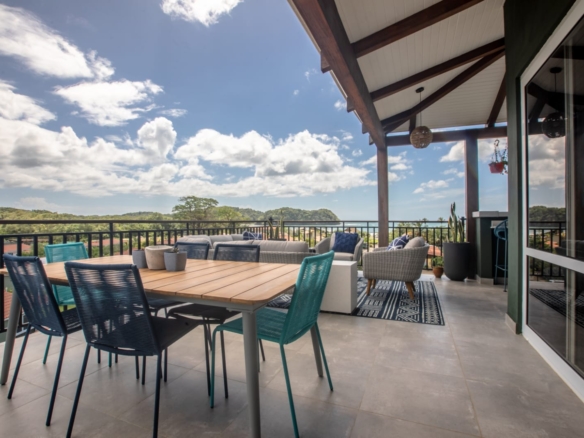
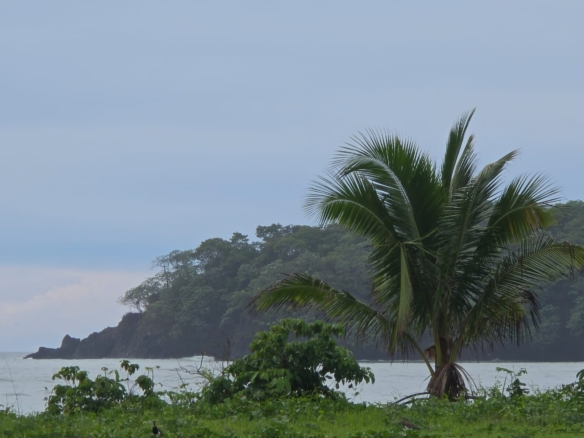
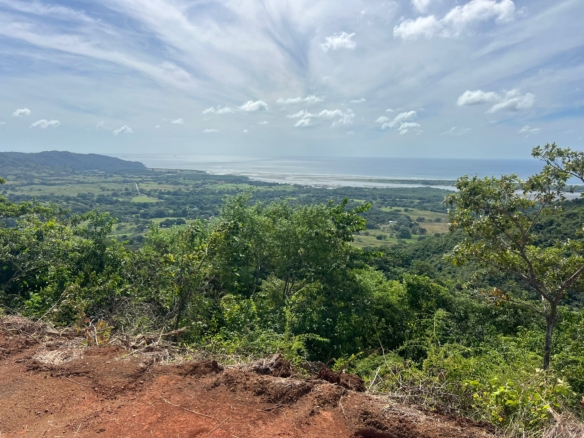
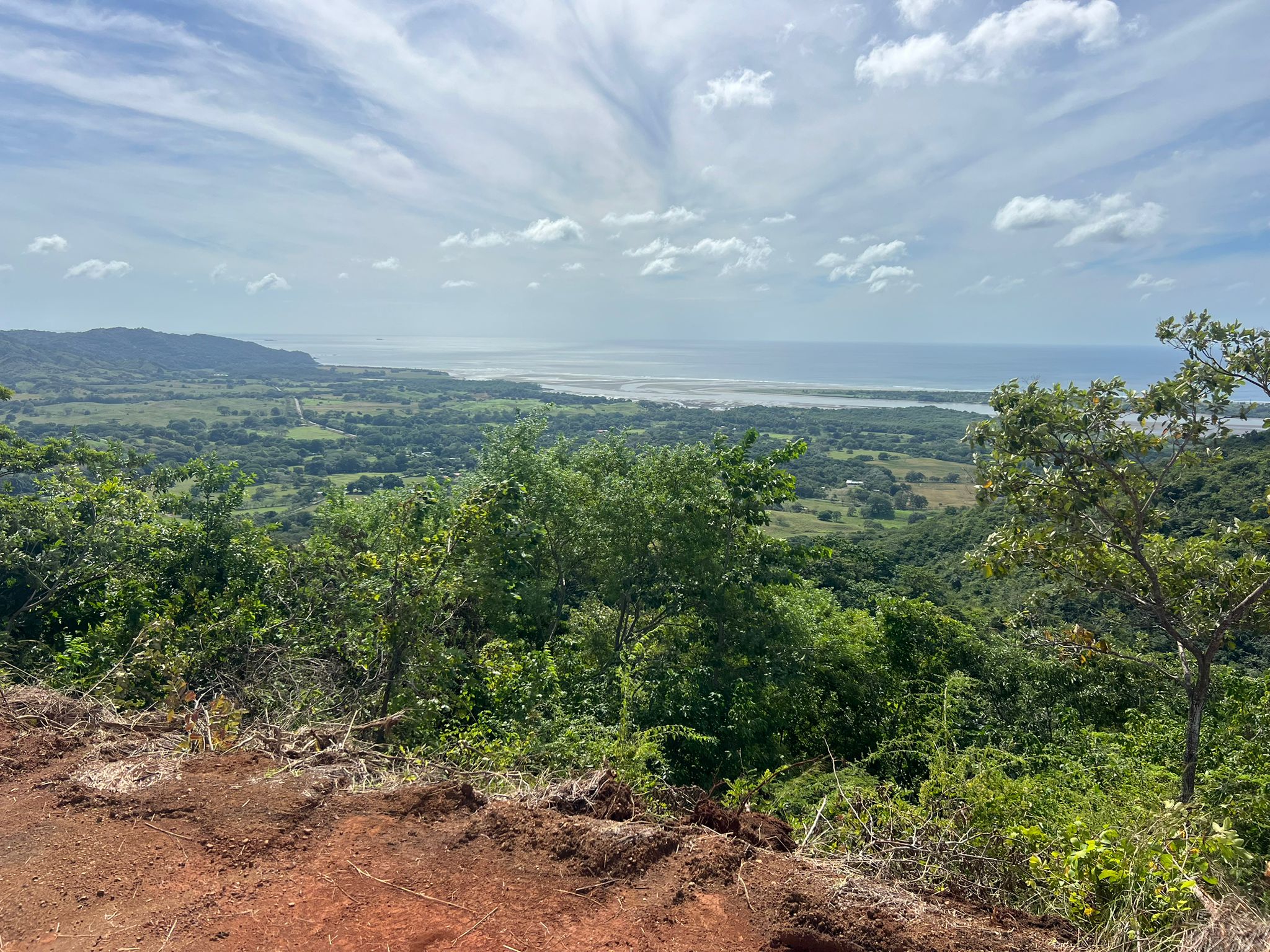
If you are shopping for land in Panama’s Azuero Peninsula, you will quickly run into three words that decide how safe your purchase really is: titled, ROP, and concession. The view from the lot matters. The type of ownership matters more. Here is what each one means, in plain English, before you fly down to see a property in Pedasí, Playa Venao, or Cañas.
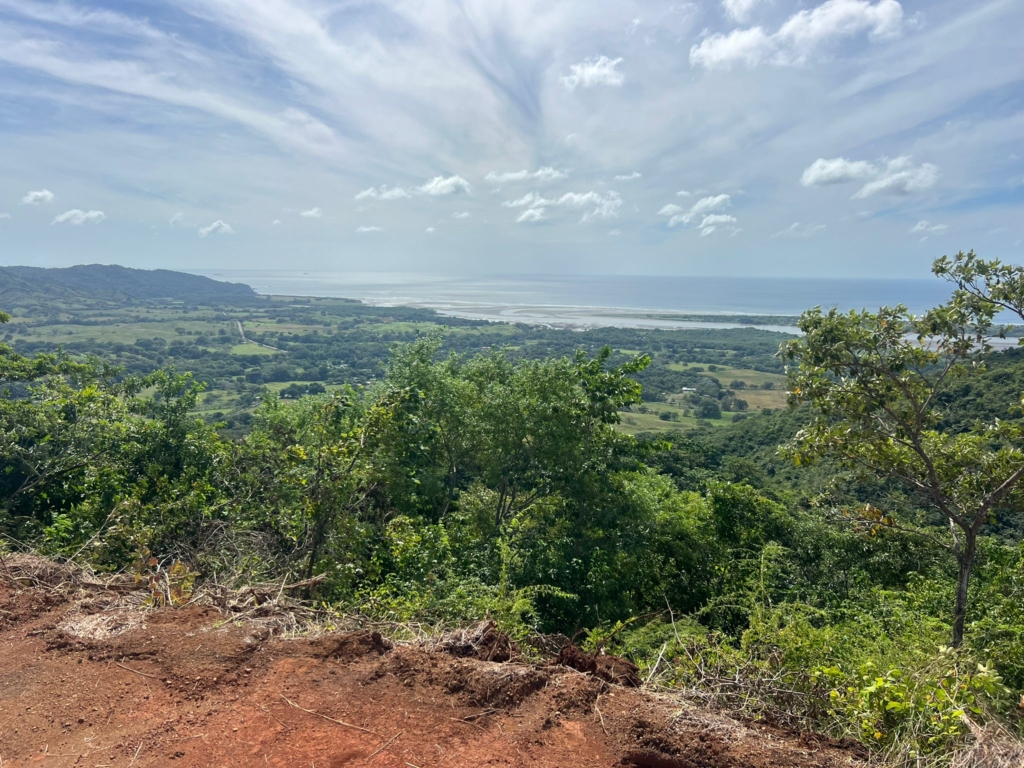
1. Titled Land (Fee Simple) — the Gold Standard
Titled land — propiedad titulada — is full ownership registered in Panama’s Public Registry, the equivalent of fee-simple ownership in the US or Canada. You own it outright: you can sell, mortgage, subdivide, and pass it to your heirs, with a clear public record proving it is yours.
For most foreign buyers, titled land is what you want. Financing is easier, resale is simpler, and title insurance is available. Foreigners can own titled property in Panama in their own name or through a Panamanian corporation, with the same rights as a citizen across nearly all of the country — including all of Azuero. If a listing is titled, ask for the finca number and confirm it in the Public Registry before you put money down.
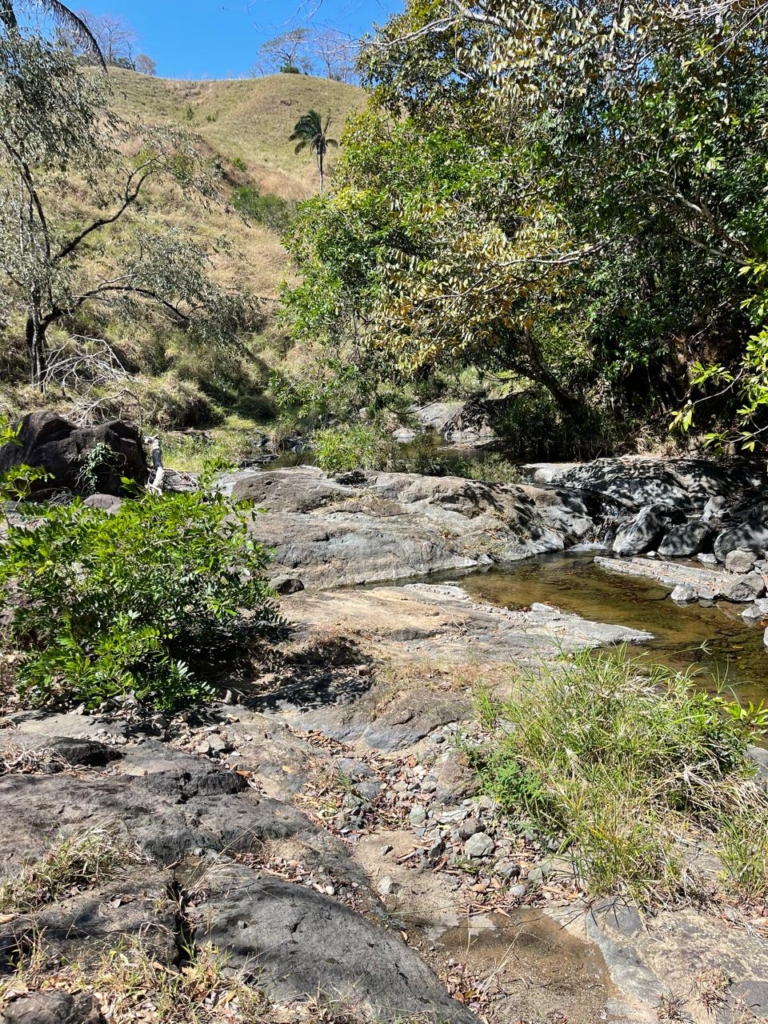
2. Rights of Possession (ROP) — Cheaper, but Know the Trade-off
Rights of Possession — Derecho Posesorio — is not ownership of the land itself. It is a recognized right to use and occupy land that technically still belongs to the state. ROP is common along Panama’s coastline and rural areas, and is usually cheaper per hectare than titled land.
ROP can be a legitimate opportunity — many titled properties today started as ROP and were converted. But it comes with real considerations: it is not registered as title, so verifying the seller’s rights takes more due diligence; financing and title insurance are harder or unavailable; and converting ROP to full title is possible in many cases but is a legal process with cost, time, and no guaranteed outcome. ROP is not a red flag by itself — but it is a “bring your attorney” situation.
3. Concessions — Common for Islands and the Water’s Edge
A concession is a long-term right granted by the government to use land it owns — most often relevant for islands and the maritime zone near the beach. Panama treats the strip closest to the high-tide line as public domain, and beachfront or island use in that zone is typically governed by concessions rather than outright title. Concessions are time-limited and renewable, more like a long lease than ownership. They can work well for certain tourism or beachfront projects, but understand the term, renewal conditions, and what you can legally build before committing.
How to Protect Yourself: a 6-Point Checklist
- Confirm the ownership type in writing — titled, ROP, or concession.
- Verify the finca / registry record (for titled) or the possession documents (for ROP) independently.
- Hire an independent Panamanian real-estate attorney — not one referred only by the seller.
- Check access and boundaries — legal road access and a current survey.
- Check water and utilities — wells, rights, and realistic hookup.
- Understand taxes and closing costs before you sign.
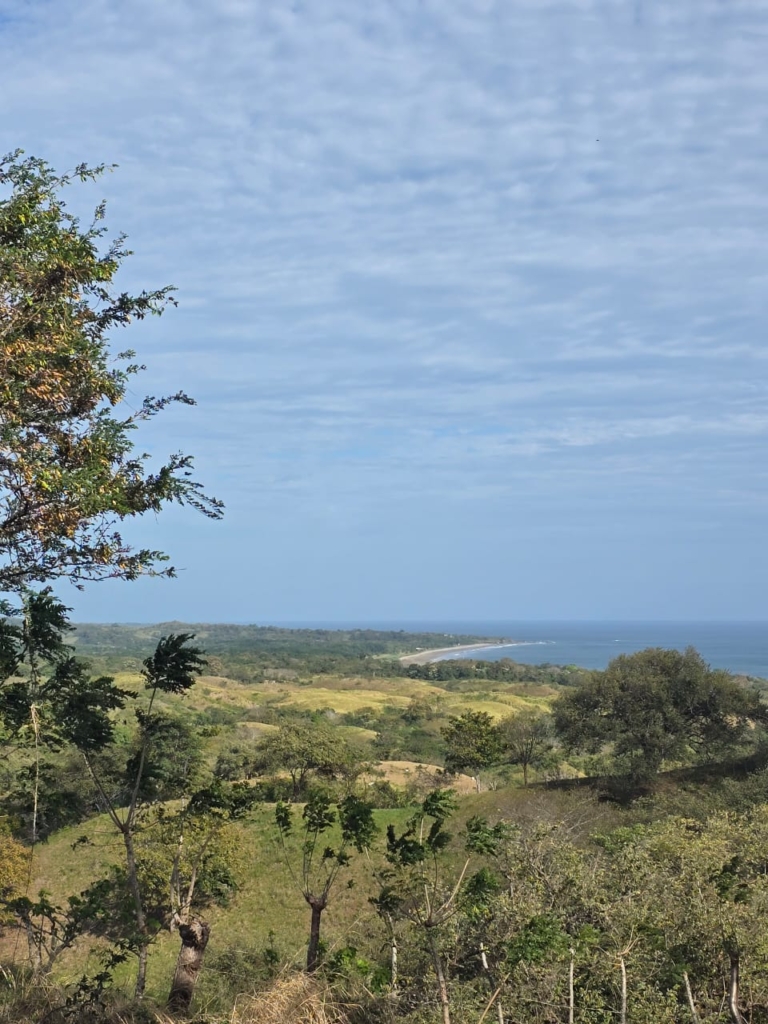
Where This Matters in Azuero
In Playa Venao and Pedasí you will find mostly titled lots and homes. In Cañas, titled ocean-view lots are the budget sweet spot. In El Ciruelo, larger coastal parcels come in a mix of ownership types — exactly where verifying land status pays off most.
On every property we list, we confirm the ownership type up front, because we would rather you buy with confidence than with surprises. New to the market? Start with our guide on how to buy property in Panama as a foreigner, or explore the Azuero Peninsula to see where these opportunities are.
This article is general information, not legal advice. Panama land law is specific to each property — always confirm details with a licensed Panamanian real-estate attorney before purchasing.