The Rise of Sustainable Real Estate Investment in Panama
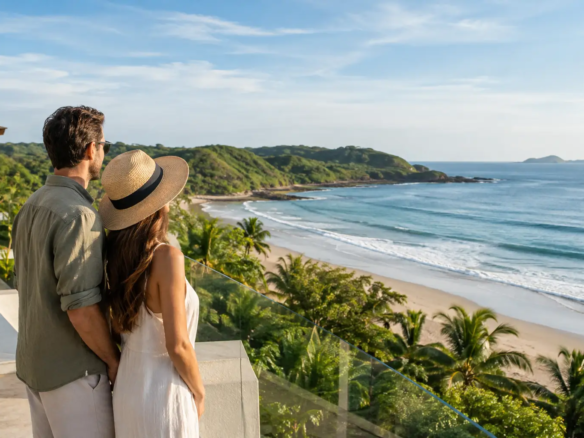
The world is shifting toward sustainable living, and Panama is leading this movement in Latin America. More investors recognize that environmental responsibility and financial returns are not mutually exclusive — a property can generate strong income while protecting the planet.
Panama’s government actively supports the green economy. Tax incentives exist for sustainable construction, eco-tourism is growing faster than traditional tourism, and foreign investors increasingly seek properties aligned with their values.
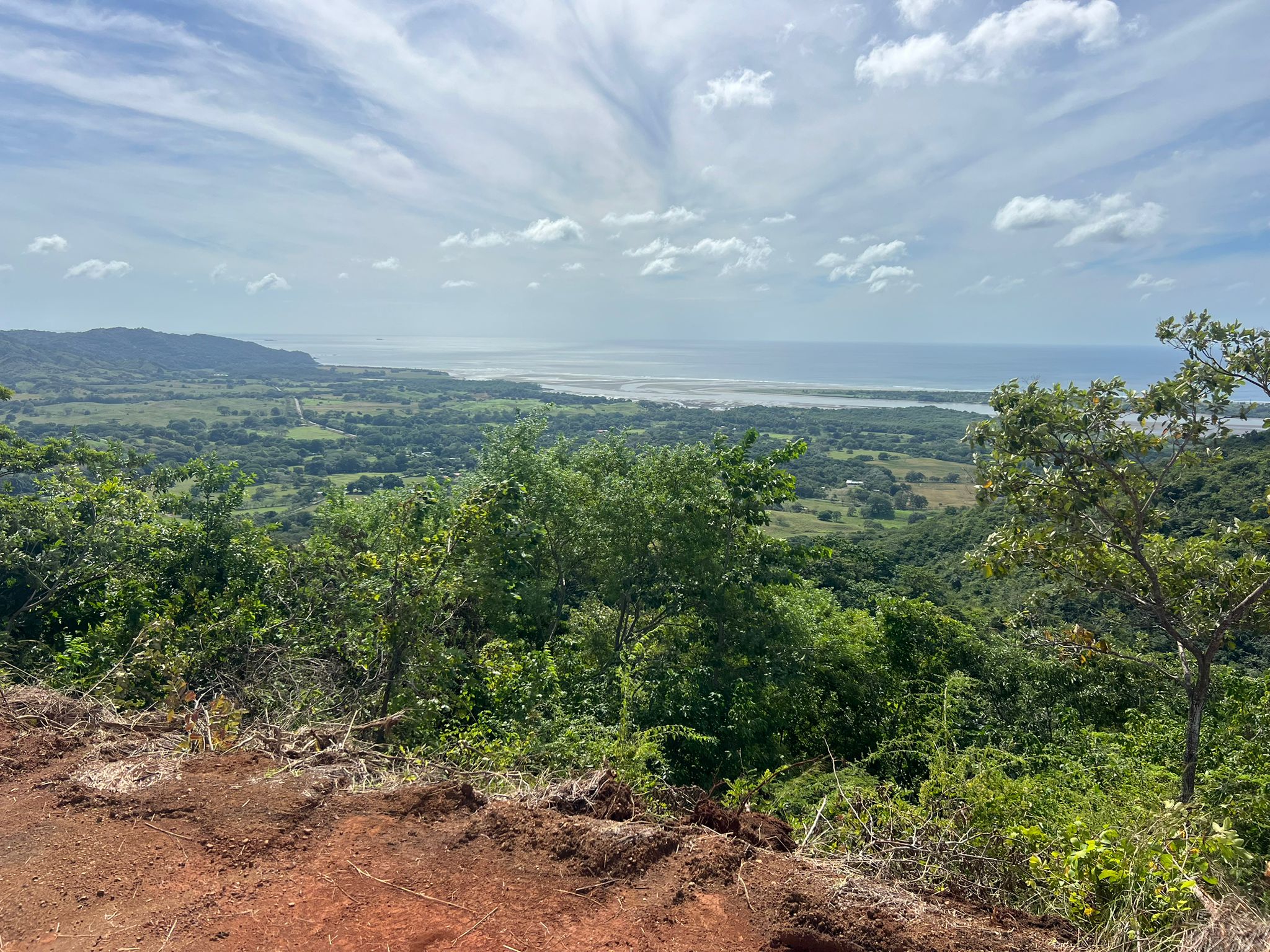
The Azuero Peninsula, in particular, has become a hub for sustainable real estate. The region’s natural beauty, wildlife-protection efforts, and growing eco-conscious community make it ideal for green investments — whether you want to build an eco-lodge, establish a regenerative farm, or live off-grid.
What Makes a Property “Eco-Friendly” in Panama
Eco-friendly means different things to different investors. At the basic level, sustainable properties use energy-efficient design — solar panels, rainwater collection, and natural ventilation that lower operating costs while reducing impact. Mid-level eco-properties add regenerative practices like permaculture gardens, composting, or greywater recycling.
Advanced eco-properties operate fully off-grid, generating their own power and sourcing all water from rain or wells. The most sophisticated combine residential use with eco-tourism or agricultural income. The good news? You don’t need the most extreme option — start with basic sustainable features and upgrade over time.
Types of Eco-Properties: Finding Your Investment Model
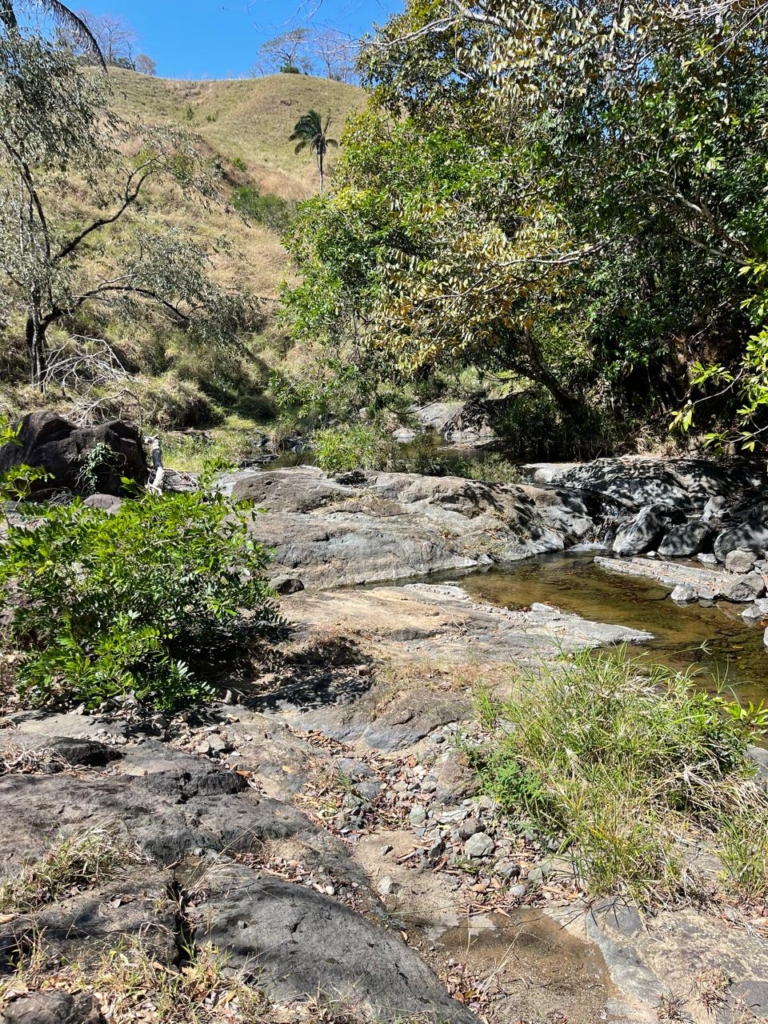
Different eco-property types generate different returns. Off-grid homes ($200,000–$400,000 to build) appeal to those seeking independence and low operating costs. Eco-lodges generate the strongest income — one in Playa Venao or the Azuero Peninsula can bring $3,000 to $8,000 monthly in peak season.
Regenerative farms and fincas appeal to investors seeking agricultural income from fruit, vegetables, or livestock, often adding agritourism — a well-managed finca can generate $1,500 to $4,000 monthly across several income streams. Reforestation projects let investors buy degraded land, plant native trees, and participate in carbon-credit programs. Sustainable residential communities with green building standards round out the options.
Investment Returns: The Financial Case for Eco-Properties
Many investors assume eco-properties sacrifice returns for values. The data tells a different story. Eco-lodges in prime locations generate 8% to 12% annual returns — rivaling or exceeding traditional rentals — while well-managed regenerative farms return 6% to 10%. Off-grid homes appreciate as green living goes mainstream and buyers actively seek sustainable features.
The financial advantage extends beyond income: operating costs for eco-properties run 40% to 60% lower than conventional ones. Lower utility bills, reduced maintenance, and self-sufficiency translate directly to higher net returns.
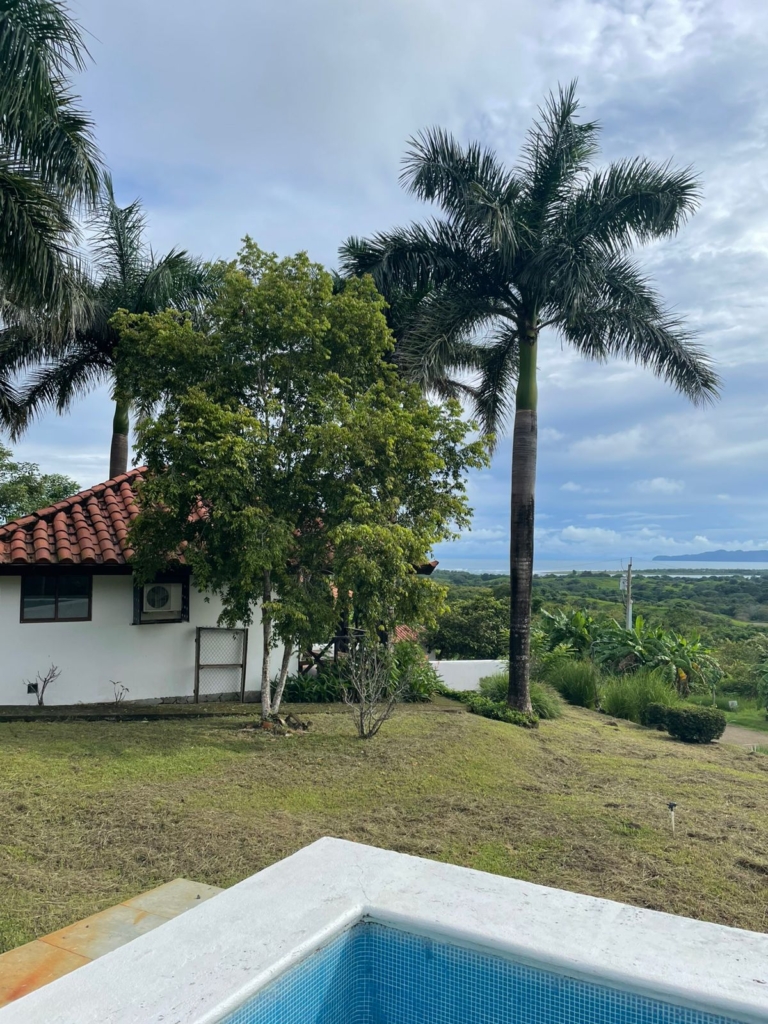
The Practical Side: Building and Managing Eco-Properties
Building an eco-property requires planning and local expertise. Panama has builders specializing in sustainable construction who understand local climate, materials, and regulations. Start with a clear design: which power and water systems, and what waste management.
Building costs for eco-homes run $1,200 to $1,800 per square meter — comparable to conventional construction, but with substantial long-term savings. Off-grid homes need only basic maintenance; eco-lodges need active management or a property manager; farms require agricultural expertise or hired labor. Specialized management companies handle guest management, maintenance, and marketing for eco-properties, typically 20% to 30% of gross income.
How to Identify Quality Eco-Properties
Not all properties marketed as “eco-friendly” deliver. First, verify the systems — request documentation of solar capacity, battery storage, water systems, and waste management, plus utility bills showing real performance. Second, assess location: eco-properties in high-demand areas like Cañas and El Ciruelo appreciate faster and rent more easily than remote parcels.
Third, evaluate build quality by visiting similar properties and talking to owners about performance and maintenance. Fourth, understand the income model — for an eco-lodge, review occupancy and guest reviews; for a farm, verify crop yields and market demand. Finally, work with advisors who know both eco-properties and local green incentives.
Starting Your Eco-Property Journey
Begin by clarifying your goals — personal residence, income-generating investment, or a combination. Explore available land and homes through our property listings, and read our Azuero Peninsula guide to understand the region’s eco-tourism potential and community.
Sustainable real estate is not a niche anymore — it is the future of real estate investment. Investors who act now benefit from lower prices, stronger appreciation, and alignment with global trends. Panama’s combination of natural beauty, government support, growing eco-tourism demand, and lower entry costs creates a compelling case. Explore the possibilities, connect with local experts, and take action toward a future that is both profitable and planet-friendly. Learn how to buy property in Panama as a foreigner, or see how a rental can generate passive income.