
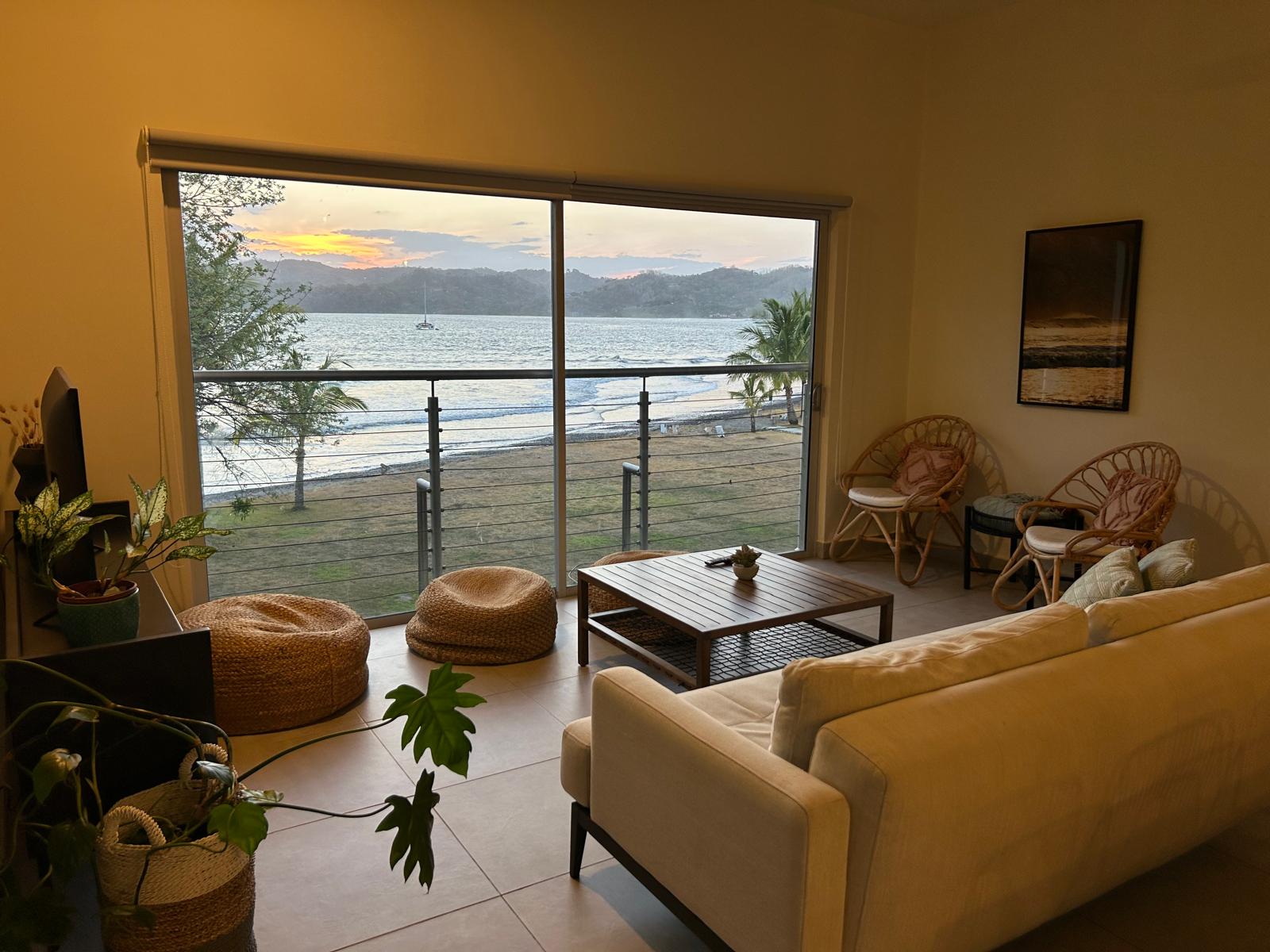
Panama Rental Income: Is Passive Income Really Possible?
You bought a property in Panama. Now you wonder if it can work harder for you. Can you earn real income while you live elsewhere? Will the returns justify the investment?
The answer is yes, but it requires strategy. Panama’s rental market delivers solid returns for investors who understand the landscape. Unlike many countries, Panama welcomes foreign landlords, the legal framework protects your investment, and rental demand remains strong — especially in urban areas and beachfront locations.
We work with investors daily who generate consistent income from their Panama properties. Some earn 6% to 8% annual returns; others do better with short-term vacation rentals. The key lies in choosing the right property, in the right location, with the right strategy.
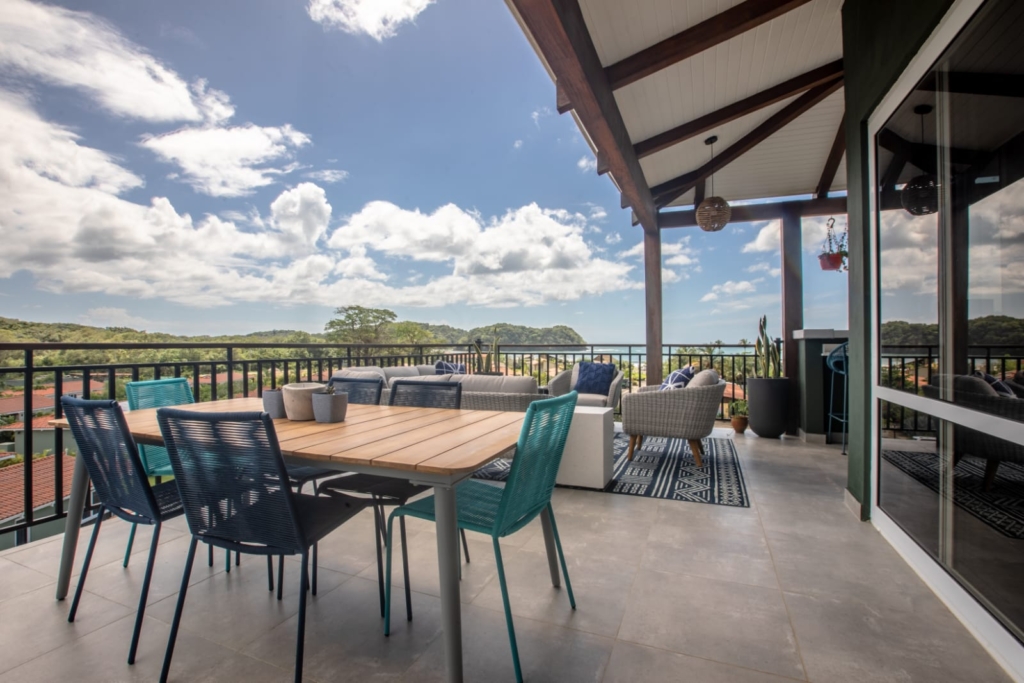
Understanding Panama Rental Yields in 2026
Numbers tell the real story. Panama City’s average gross rental yield sits near 6.9% as of mid-2026. After property taxes, maintenance, and management fees, you typically see net returns between 5% and 8% — outperforming typical US rental yields of 2% to 4%.
Location matters enormously. Affordable neighborhoods like Betania and El Dorado offer the strongest yields, reaching about 6.9% net — a one-bedroom near $105,000 rents for around $850 monthly. Luxury addresses such as Santa María and Costa del Este deliver lower yields (4% to 5%), suiting buyers who prioritize lifestyle and long-term appreciation over immediate income.
On the coast, the math shifts toward tourism demand. In Playa Venao, a well-placed two-bedroom can out-earn a city apartment during peak season through short-term rentals — the trade-off is more active management.
Short-Term Rentals vs Long-Term Leases
Your rental strategy shapes your income potential. Long-term rentals mean a tenant who stays for years — less management, steady monthly rent, but lower rates. Short-term vacation rentals through platforms like Airbnb generate higher nightly rates: that same two-bedroom might rent for $80 to $120 per night, or $2,400 to $3,600 over a month. The catch is more work — check-ins, cleaning, guest communication, and platform fees.
Smart investors often blend both. Rent the property long-term during slow seasons, then switch to vacation rentals during peak tourism months. As Panama’s tourism keeps climbing, this hybrid approach becomes increasingly viable. The right choice depends on your time availability and risk tolerance.
Managing Your Rental Property from Abroad
Distance does not prevent successful property management. Professional management companies handle everything — finding tenants, collecting rent, maintenance, and complaints — for roughly 8% to 12% of monthly rent, and many investors consider it worth the peace of mind. Digital tools let you view occupancy calendars, approve maintenance, and track finances from anywhere.
Tax Considerations for Foreign Landlords
Panama operates under a territorial tax system: you only pay taxes on income earned within Panama. Your rental income from a Panama property is taxed in Panama at reasonable rates, and deductions apply for mortgage interest, property taxes, maintenance, insurance, and management fees.
Many foreign investors hold rental property through a Panama corporation for liability protection and tax efficiency. Consult a local tax professional to structure your investment correctly — the advice pays for itself through tax savings.
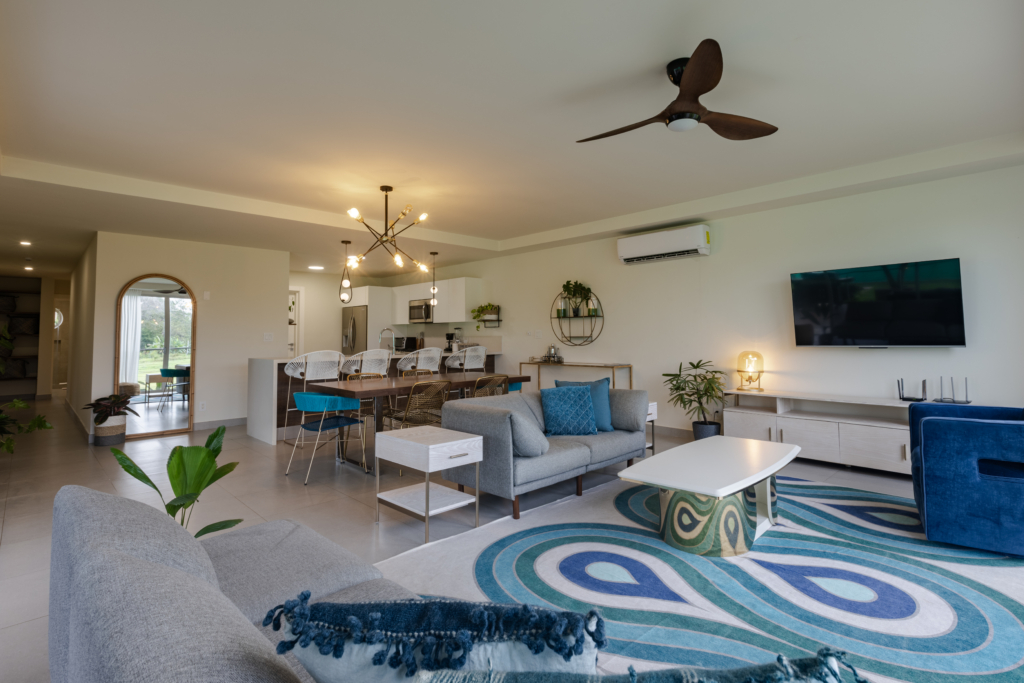
Getting Started with Your First Rental Property
Begin by defining your goal — immediate income or long-term appreciation, hands-off management or active involvement. Then analyze the numbers: purchase price, expected rent, operating costs, and projected returns.
Use our property search to explore available properties and their rental potential. Connect with a property manager before purchasing, understand their fees and services, and structure your investment properly with a local attorney and accountant. Panama’s market offers genuine opportunities for foreign investors seeking passive income — the legal framework protects you, demand remains strong, and the returns compete favorably with other markets. If you have not bought yet, review how foreigners buy property in Panama, and consider the Azuero Peninsula for strong short-term rental demand.