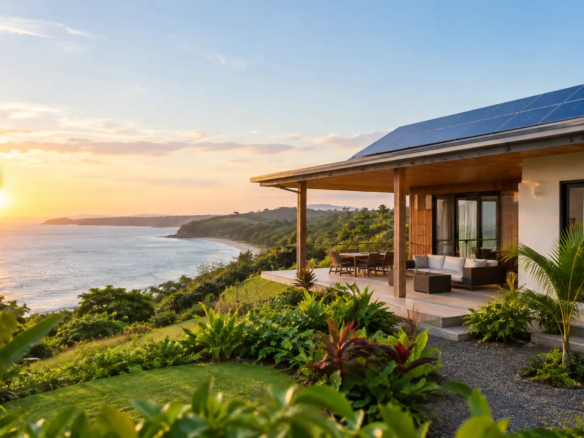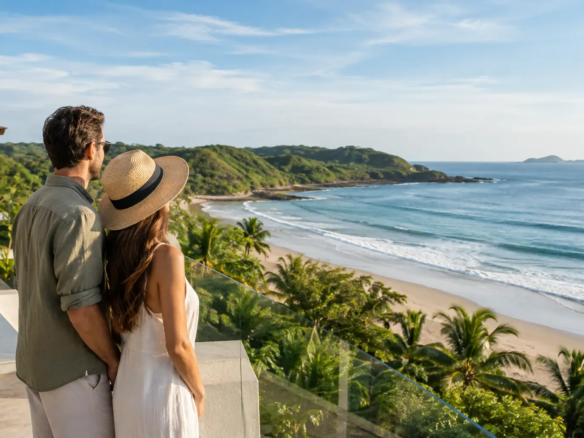

A property can look perfect from a drone photo and still be the wrong purchase. On Panama’s Azuero Peninsula, the questions that matter are often practical: Can you reach the site year-round? Is there a registered title, and does it match the land being shown? Where will water come from? Is the beach access public, legal, and usable? Those answers shape value far more than a sunset view alone.
For international buyers, the Azuero coast offers a rare combination of open land, Pacific beaches, established small towns, and a lifestyle that can be as quiet or social as you choose. It also remains a fragmented real estate market. There is no comprehensive MLS, pricing is not always transparent, and many properties are offered through informal local networks. That makes local knowledge and disciplined due diligence part of the purchase itself.
The Azuero Peninsula Is Not One Market
The Azuero Peninsula covers a broad area of central-southern Panama, including the provinces of Los Santos and Herrera. For coastal buyers, the most relevant stretch is the Pacific side of Los Santos, where roads lead from Panama City through Las Tablas and toward Pedasí, Playa Venao, Cañas, and El Ciruelo.
These places are close enough to share a regional identity, but they do not offer the same buying experience. A buyer looking for walkability and services may be better suited to Pedasí. A surfer or short-term rental operator may prioritize Playa Venao. Someone seeking larger acreage, quiet beaches, or a more rural setting may look toward Cañas or El Ciruelo. The right location depends on how you expect to use the property, not simply how close it sits to the water.
The region’s appeal is tangible. There are beaches with room to breathe, rolling cattle country, tropical dry forest, fishing, surfing, and communities where daily life is still organized around local businesses rather than resort infrastructure. The trade-off is that coastal conditions can be variable. A beautiful parcel may require a serious road upgrade, an independent water solution, or more time and capital to build than an equivalent lot in a fully serviced development.
Four Coastal Hubs, Four Different Decisions
Playa Venao
Playa Venao is the peninsula’s best-known surf destination and has the most visibly international atmosphere of the four hubs. It attracts remote professionals, hospitality entrepreneurs, and buyers who want rental demand tied to surfing, beach travel, and an active social scene.
That visibility brings both opportunity and pressure. Land near the beach, established roads, and functioning utilities can command a different asking price than a rural parcel farther inland. Buyers should also separate a property’s marketing description from its actual operating conditions. Check road access in the wet season, drainage on sloped land, proximity to restaurants or nightlife, and whether the property’s setting fits the guest or personal experience you want to create.
Pedasí
Pedasí is the area’s principal town for everyday convenience. It has grocery stores, restaurants, banks, clinics, schools, and an established mix of Panamanian and international residents. It is often a practical base for buyers who want a home rather than an isolated escape.
A property described as “Pedasí” may be in town, outside town, or nearer to beaches such as Playa Arenal, Playa Destiladeros, or Playa Venao. Drive times matter. So do noise, road surface, mobile coverage, and the difference between being near the town center and being near the coast. Buyers planning to live full-time commonly find that these details become more important after the first few months.
Cañas
Cañas appeals to buyers seeking a quieter, less built-up part of the coast. The setting can include wide beaches, agricultural land, and a stronger sense of separation from the region’s busier destinations. It can suit a private residence, a land hold with a defined long-term plan, or a small hospitality concept where privacy is part of the appeal.
The same qualities require more careful verification. Utility extensions, road maintenance responsibilities, water availability, and travel time to services should be established before making an offer. Do not assume that neighboring homes indicate equivalent infrastructure at your parcel. Ask what is physically installed, what is legally available, and what will be your responsibility to create.
El Ciruelo
El Ciruelo and its surrounding coast attract buyers who value rawer scenery and lower-density surroundings. The area can offer a compelling balance of ocean proximity and countryside, but it is not a standardized subdivision market. Boundaries, access routes, and service connections deserve close review.
This is especially true for land intended for future construction. A parcel may be attractive because it feels private, but privacy can also mean a longer build timeline and fewer nearby tradespeople. For some buyers, that is a worthwhile exchange. For others, a property closer to Pedasí or Playa Venao will be a better operational choice.
What to Verify Before You Commit Capital
On the Azuero Peninsula, due diligence begins on the ground. Online maps, seller statements, and even older survey documents are useful starting points, but they do not replace a site visit and legal review.
First, confirm tenure. Panama permits foreign ownership, but not every coastal property is held in the same form. Titled land has a registered ownership record in the Public Registry and can generally provide the clearest path for a conventional transfer, subject to a proper title search. Rights of possession, commonly called ROP, are different. They may be used and transferred in practice, but they require specialized legal review because the nature of possession, supporting documentation, boundaries, and future regularization prospects can vary. Concession land carries another set of rules, particularly near the coast, and should never be treated as equivalent to titled private land.
Second, verify physical access. Ask to drive the route to the property rather than viewing only the final approach. Identify whether the access is public, private, or dependent on an easement. If it crosses another owner’s land, confirm that the right is documented. A dry-season visit can make a road appear easier than it is during heavy rains.
Third, establish the utility reality. Electricity may be at the boundary, several poles away, or dependent on a future extension. Water might come from an existing connection, a community system, a well, rain catchment, or a combination of sources. Internet options can differ dramatically between nearby areas. If you need reliable connectivity for remote work or guest operations, test it at the site rather than relying on a general coverage map.
Finally, assess the land itself. Look at slope, drainage, soil, flood exposure, mature trees, neighboring uses, and the location of any seasonal creek. For beachfront or near-beach sites, understand the coastal setback and confirm where the usable build area begins. The most valuable question is not simply, “How many acres?” It is, “How much of this land can be accessed, built on, maintained, and enjoyed as intended?”
How to Think About Asking Prices
Without a centralized MLS or comprehensive public sales database, broad claims about average pricing, appreciation, or rental returns deserve caution. Asking prices show what sellers are currently requesting, not necessarily what comparable properties have sold for. A small number of publicly visible listings cannot represent the whole peninsula, particularly when many offerings circulate privately.
A stronger approach is to compare properties based on their actual attributes: title quality, location, road access, service availability, usable topography, beach proximity, construction condition, and realistic carrying costs. Two properties with similar acreage can have very different practical value when one has legal access, power, water, and a clean title while the other requires each item to be solved.
For buyers considering income, separate the lifestyle case from the business case. A villa that works well for personal use may not have the layout, access, staffing, permitting, or seasonal demand profile needed for a dependable rental operation. Conversely, a property with rental potential may require active management and maintenance that an absentee owner does not want to take on.
A Better Way to Begin Your Search
Start with a use case and a non-negotiable list. Decide whether you are buying a full-time home, a vacation base, a future build site, a rental asset, or land to hold. Then define your tolerance for distance, construction complexity, unpaved roads, and independent utilities. This will narrow the search much faster than browsing by price alone.
Because much of the local market is not publicly syndicated, it also helps to work from current, property-specific information rather than assuming the internet shows the full inventory. Love Your Land Panama focuses on the Azuero coast and can help buyers compare sites in Playa Venao, Cañas, El Ciruelo, and Pedasí against the legal and physical checks that affect a purchase.
The Azuero Peninsula rewards buyers who are willing to look beyond the view. Visit the property after a rain if possible, walk its boundaries, ask direct questions about title and access, and treat every missing detail as something to verify rather than a reason to guess. That is how a coastal dream becomes a property you can confidently own and use.