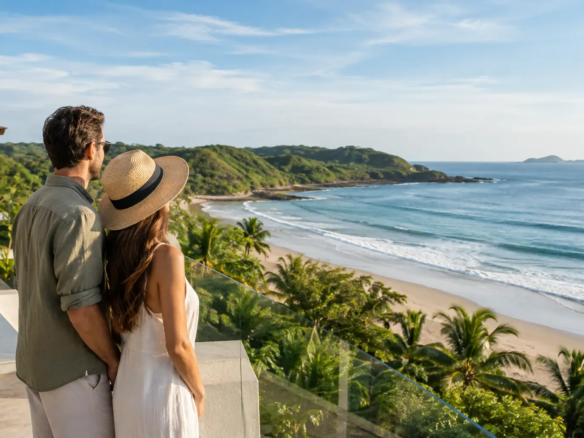

A move to Pedasí is rarely just a change of address. For many buyers, it is a decision to trade dense schedules and long commutes for beach walks, a smaller community, and a closer relationship with the land. But moving to Pedasi Panama also means accepting that coastal living works differently here: conditions vary parcel by parcel, services are not equally available in every direction, and a beautiful view is not the same thing as a sound property purchase.
Pedasí can be a strong fit for retirees, remote professionals, entrepreneurs, and investors who want a town-based coastal lifestyle rather than a large resort environment. The right move starts by evaluating how you want to live, then verifying whether a specific home or parcel can support that plan.
What Life in Pedasí Actually Feels Like
Pedasí is a small, social town on Panama’s Azuero Peninsula in Los Santos province. Its appeal is not high-rise convenience or nonstop nightlife. It is the combination of a walkable town center, nearby beaches, local restaurants, outdoor activity, and an established mix of Panamanians and international residents.
Daily life can be pleasantly simple. You can buy basic household supplies locally, arrange services through local providers, meet friends for lunch in town, and reach beaches such as Playa El Toro, Playa Arenal, and Playa Venao by car. Panama City is accessible by road, but it is not next door. That distance is part of Pedasí’s appeal and one of its practical trade-offs.
Buyers accustomed to urban convenience should visit long enough to test the rhythm. Spend time in town during the week, not only during a holiday weekend. Drive the routes you would use for groceries, school, medical appointments, surf sessions, or airport trips. Ask yourself whether you want to be in central Pedasí, near a beach, or farther out where privacy increases but errands take more planning.
Seasonality matters as well. The dry season and rainy season present the landscape differently. A road, drainage path, stream crossing, or hillside that looks straightforward in dry weather may require a very different assessment after sustained rain.
Choosing Where to Live Around Pedasí
The right area depends on whether your priority is community, beach access, rental demand, acreage, or quiet. Pedasí town is often the practical choice for buyers who want services nearby and less dependence on a vehicle for every errand. Homes on the outskirts can offer more space while keeping town within easy reach.
The surrounding coast opens more possibilities, but it also increases the importance of site inspection. Beach-adjacent property may offer lifestyle value and privacy, yet access roads, erosion exposure, setbacks, water supply, and legal tenure deserve much more scrutiny than they might in a conventional suburban purchase.
Playa Venao is a separate lifestyle decision. It has a more surf-oriented, international energy and a stronger concentration of hospitality and vacation activity. Cañas and El Ciruelo can suit buyers looking for a quieter coastal setting, larger land opportunities, or a more remote feel. None is universally better. The question is whether the location supports your actual use of the property, not the version of coastal life you picture on your first visit.
Before Buying Property in Pedasí, Verify the Fundamentals
In the Azuero Peninsula, two properties with similar acreage and ocean views can have very different underlying value. The difference may come down to title, access, utility infrastructure, topography, or the true cost of making the land usable.
Start with tenure. Panama permits foreign ownership, but buyers must understand exactly what they are acquiring. Titled property is generally the clearest starting point because ownership is recorded in the Public Registry. Even then, the title, boundaries, recorded owner, liens, easements, and legal description must be reviewed carefully.
Other forms of possession require greater caution. Rights of possession, commonly called ROP, are not the same as registered title. They can be legitimate in the right circumstances, but the chain of possession, boundaries, conflicts, and path to formalization require specialized legal review. Concession property, often relevant near protected coastal areas, comes with its own rules and limitations. Never treat these categories as interchangeable because a listing description uses the word “owned.”
Physical access is equally important. A parcel may be reached in practice through a neighboring property or an informal track, but that does not automatically mean legal, recorded access exists. Confirm how access is documented, who maintains the road, whether it is passable year-round, and what a future construction project will require.
Utilities should be verified at the site, not assumed from a map pin. Ask where electricity is available, what extension work may be needed, whether water comes from a public system, well, or another source, and what permits or infrastructure may be required. For rural land, mobile signal and internet options can also influence whether the property works for remote employment or guest operations.
Buildability Is More Than a View
A low asking price can reflect a genuine opportunity, but it can also reflect the cost and complexity of turning raw land into a functional homesite. Before committing capital, walk the property with someone who understands the area and assess the land under real conditions.
Look at slope, drainage, soil, flood exposure, mature trees, and the placement of any proposed building area. In coastal Panama, the best view may not be the best building pad. A site may require retaining work, careful stormwater management, a longer driveway, or added electrical infrastructure. These are not necessarily reasons to walk away. They are costs and risks that should be visible before you negotiate, not after closing.
If you are buying for a rental home, do not begin with optimistic occupancy assumptions. First determine whether the site is easy to reach, appealing in both seasons, practical to clean and maintain, and supported by dependable utilities. Rental performance depends on execution, local competition, guest experience, and management. It should not be treated as guaranteed income.
Plan the Move Before You Need the House Keys
Property ownership and residency are separate questions. Panama has several residency pathways, and requirements can change. A qualified immigration attorney should advise on the option that fits your nationality, income, investment, family status, and intended timeline. Do not assume that owning a home automatically grants residency, or that residency is required before buying property.
Banking, insurance, healthcare, vehicles, pets, and tax residency all deserve early attention. Some processes take longer than newcomers expect because foreign documentation may need apostilles, translations, or local review. If you expect to work remotely, confirm your employer’s policies and seek appropriate tax and legal advice for your personal situation.
For a full-time move, renting first can be sensible. A six- or twelve-month rental gives you a chance to experience rainy season logistics, neighborhood noise, road conditions, and the practical distance between your home and the places you use most. It can also make you a more disciplined buyer because you are no longer trying to solve every lifestyle question through one property purchase.
Work With Information You Can Verify
Pedasí is not a standardized, portal-driven market. There is no single MLS that captures every active listing, every price adjustment, or every property status. Some of the most relevant opportunities are marketed locally or through agencies with direct relationships to owners. That makes local knowledge useful, but it also makes independent verification essential.
Ask what supports the asking price. Request clarity on lot size, title status, access, utilities, restrictions, taxes, and known site conditions. If a claim cannot be documented, treat it as a question rather than a feature. Love Your Land Panama focuses on helping buyers evaluate those questions across Pedasí and the wider Azuero coast before they commit to a transaction.
The most rewarding move is usually the one made at the right pace. Let the ocean view draw you in, but let title quality, road access, water, drainage, and your real daily routine determine whether the property earns a place in your future.